Qalqilya. The Emerald City
Where the Scent of Guava Drifts Through Endless Orchards and the Earth Still Breathes in Green
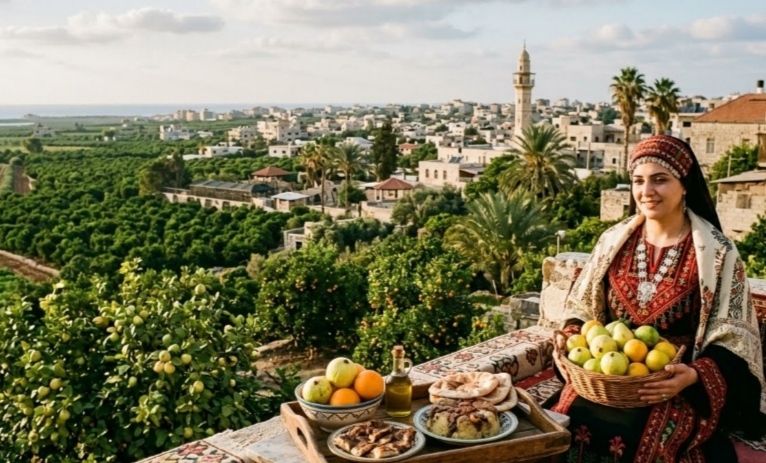
Palestine’s Green Heart
Imagine a city that feels like an endless orchard, where guava branches intertwine with citrus groves to paint a landscape overflowing with life and color. This is Qalqilya — the “City of Guava,” a place of fertile earth and unwavering resilience, standing proudly along the eastern edge of the coastal plain as one of Palestine’s richest agricultural treasures.
Geographical Setting
Qalqilya lies in the northern West Bank and is considered the closest West Bank city to the Mediterranean coast. Its strategic location has long connected the cities of the north, south, and the interior, transforming it into a vibrant commercial crossroads and a gateway between landscapes and communities.
Landmarks and Distinguished Sites
1. The National Zoo One of Palestine’s most beloved landmarks, serving as a family destination that combines recreation with education through its wildlife exhibits, museum, water features, and children’s play areas. 2. Khirbet Falqiya An archaeological site preserving the remnants of ancient structures and civilizations that once flourished across the region, carrying the layered memory of the city’s past. 3. Sufin An elevated area overlooking the Palestinian coast, renowned for its breathtaking scenery and prominent tower that rises above the surrounding landscape. 4. Historic Mosques Including the Al-Omari Mosque, distinguished by its traditional Islamic architecture and enduring spiritual presence within the old city.
Traditional Crafts and Occupations
1. Agriculture — The Craft of Green Gold Qalqilya is celebrated as the “City of Guava,” producing some of the finest varieties known for their intense fragrance and exceptional sweetness, alongside abundant citrus orchards and avocado groves. 2. Agricultural Nurseries The people of Qalqilya are widely respected for cultivating nurseries and exporting seedlings, ornamental plants, and flowers to towns and villages across Palestine. 3. Stone and Marble Industry A long-standing trade that remains a vital pillar of the city’s economy and craftsmanship.
Traditional Cuisine
1. Qalqilya Guava More than a fruit, it is the city’s emblem — cherished for its rich aroma and naturally sweet flavor that instantly evokes the spirit of Qalqilya. 2. Musakhan and Maqluba Like many northern Palestinian cities, Qalqilya is known for preparing these beloved dishes with generous amounts of locally pressed olive oil. 3. Traditional Sweets Its lively markets are filled with Nabulsi and Levantine pastries and desserts that reflect the warmth and abundance of Palestinian hospitality.
The Qalqilya Thobe
• The “Qubba” Thobe The traditional dress of Qalqilya is distinguished by its elaborate embroidery concentrated around the chest panel, known locally as the qubba. • Vivid Colors and Natural Motifs Women traditionally embroider the dress with brightly colored silk threads, featuring geometric patterns and motifs inspired by nature — especially cypress trees and palm fronds. • The Shawl — “Ghabaneh” Worn gracefully over the thobe, the ghabaneh shawl adds a sense of dignity and timeless authenticity to the traditional attire.