Palestinian Traditions of Mourning and Solidarity
In Palestine, grief is never carried alone; it is shared through coffee, prayer, presence, and the quiet dignity of standing shoulder to shoulder.
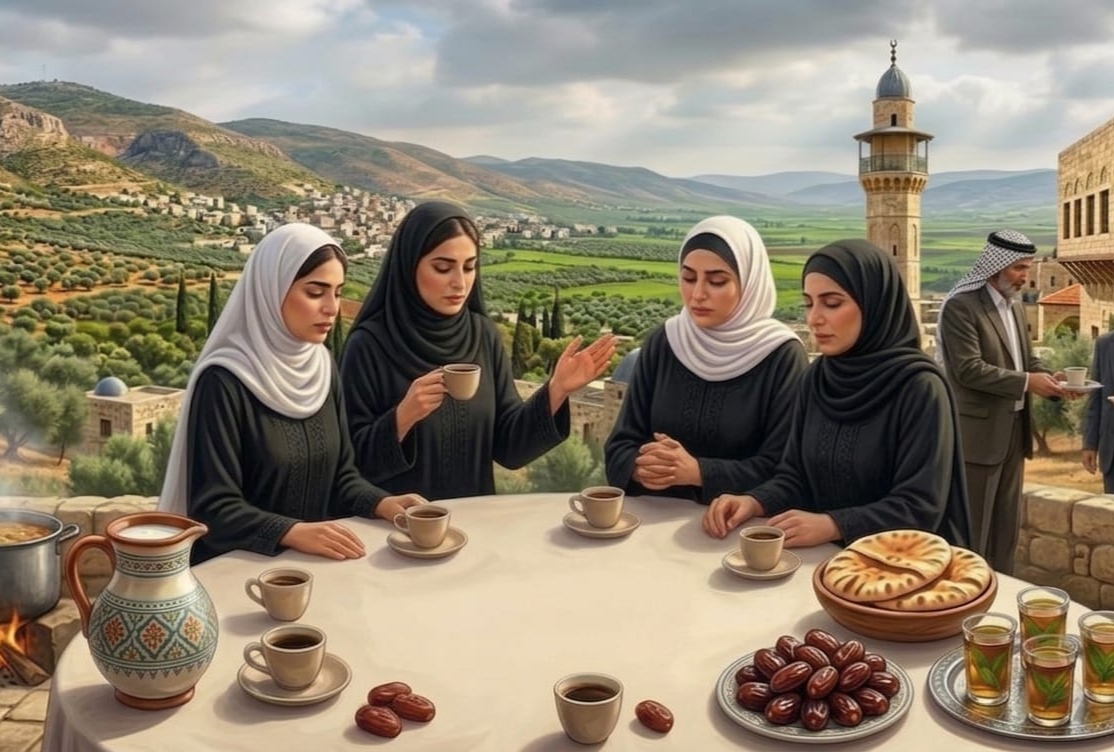
When Sorrow Becomes a Gathering — The Soul of Palestinian Condolence Traditions
Mourning rituals in Palestine are a living expression of social solidarity and emotional support. In moments of loss, communities come together instinctively, surrounding the bereaved family with compassion, presence, and shared responsibility in an effort to soften the weight of grief. Though certain customs may differ slightly between cities, villages, and refugee camps, the spirit remains the same: “The loss belongs to everyone, and every shoulder stands beside the other.”
The Announcement of Death and the Funeral Procession
• The Call of Farewell News of a passing is traditionally announced through mosque loudspeakers, social media platforms, and, in some villages and camps, through a town caller or public loudspeaker systems that move through the streets carrying the news to the community. The announcement itself is not merely informational — it is an invitation for collective presence. • Carrying the Departed on the Shoulders of the Living Funeral processions in Palestine are attended by relatives, neighbors, friends, and often entire communities. The body is carried upon the shoulders of mourners in a solemn and deeply moving scene, symbolizing honor, respect, and the final act of companionship. Participating in a funeral is regarded not only as a social duty, but also as a sacred moral and religious responsibility.
The House of Mourning (Diwan)
• A Space Opened for Grief and Consolation Traditionally, the mourning house remains open for three days. Men usually gather in the Diwan — the family guesthouse or communal gathering space — or in a public hall, while women receive condolences in the home of the deceased or at the residence of close relatives. The house becomes a place where silence, prayer, memory, and companionship coexist. • Bitter Coffee — The Taste of Shared Sorrow Plain Arabic coffee (qahwa sada) is the defining symbol of Palestinian condolence gatherings. Served continuously to visitors, its bitterness reflects the bitterness of loss itself — a quiet gesture of emotional participation in the family’s grief. Even the serving ritual carries meaning: the coffee server holds the dallah in the left hand and the cups in the right. Unlike joyful celebrations, the cup is not shaken after drinking, preserving the solemnity of the occasion.
The Condolence Meal
• Feeding the Family of the Deceased One of the most cherished Palestinian traditions is the preparation of meals by neighbors and relatives for the grieving family throughout the three days of mourning. This custom is rooted in both compassion and prophetic tradition, sparing the bereaved from the burden of cooking while they endure their loss. Food, in this context, becomes an act of mercy. • The Communal Feast (Al-Khutmeh) On the third day — or sometimes on the fortieth day in certain regions — animals may be slaughtered and meals such as mansaf or rice with meat are prepared and distributed in honor of the deceased’s soul. Relatives, visitors, and those in need are invited to share in the meal, transforming remembrance into an act of generosity and charity.
Mourning, Clothing, and the Silence of Respect
• The Language of Black Garments Men often wear dark or modest formal clothing, while women traditionally dress in black as an outward expression of grief and respect. Mourning is not performed loudly in Palestine; it is often carried quietly through presence, restraint, and dignity. • Postponing Joy Out of Respect Families and surrounding communities observe a mourning period that may last from forty days to a full year depending on tradition and closeness to the deceased. During this time, weddings and public celebrations are often postponed as a gesture of consideration toward the grieving family. In Palestinian culture, honoring sorrow is itself considered a form of loyalty.
The Art of Consoling Hearts
Condolence visits hold deep emotional importance in Palestinian society. Visitors offer words such as: “May God magnify your reward.” “To God belongs eternity.” “May goodness remain with those who remain.” These phrases are not formalities; they are spoken as sincere attempts to mend wounded hearts. Thursday of the Departed Some families continue an old folk tradition known as Khamis Al-Amwat — “Thursday of the Departed” — where relatives visit graves on the first Thursday following the death. They may distribute simple pastries, bread rings, fruit, or sweets in memory of the deceased, blending remembrance with acts of kinship and charity.
Financial Solidarity and Quiet Generosity
In certain villages and communities, extended families maintain communal funds or collect donations to help cover funeral and mourning expenses, especially for families facing financial hardship. This assistance is offered discreetly, preserving dignity while reinforcing the values of protection, support, and collective care.
A Culture That Refuses to Leave the Grieving Alone
At the heart of Palestinian condolence traditions lies a profound human truth: Grief is not meant to be carried in isolation. Whether through a cup of bitter coffee, a shared meal, a funeral procession, or simply the silent presence of others, Palestinians transform mourning into a collective act of compassion — where sorrow is divided among many hearts so that no family must bear it alone.