Handicrafts
Palestinian Handicrafts
The memory of a place… an identity made by hand
Overview
Palestinian handicrafts are not just traditional products; they are a living extension of collective memory. Every handmade piece carries a story, an environment, and a way of life that reflects the land and its people.
Why do they matter?
- Preserve cultural identity amid modern change
- Provide income for many families
- Pass down traditional knowledge from generation to generation
- Reflect the local environment through materials and motifs
- Showcase creativity, patience, and precision in handmade work
Types of Palestinian handicrafts
- Embroidery (Tatreez): hand-stitched patterns on dresses and accessories
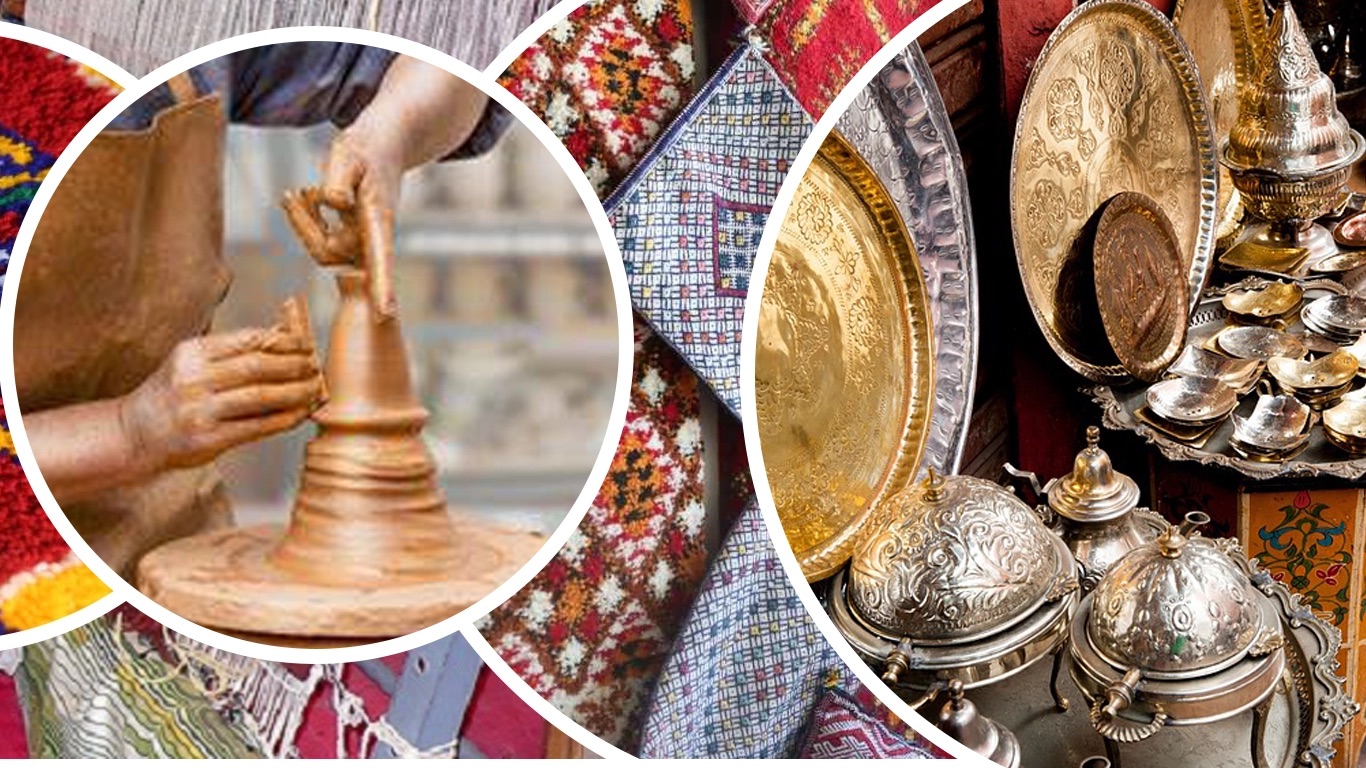
- Pottery: household items and decorative pieces made from local clay
- Wood carving: intricate details in furniture and traditional chests
- Basket weaving: made from straw and tree branches for everyday use
- Stone carving: connected to architecture and traditional ornamental work
Common materials
- Natural cotton and wool
- Local clay
- Olive wood and other woods
- Straw and tree branches
- Natural stone
How are they made?
- 1Carefully selecting raw materials
- 2Preparing traditional tools
- 3Drafting the shape or motif
- 4Handcrafting the piece step by step with precision
- 5Finishing touches and quality checks
Handicrafts today
Palestinian handicrafts remain present in modern fashion, accessories, home décor, exhibitions, and online stores—bridging heritage and contemporary life while preserving authenticity.