Pottery Making
An ancient Palestinian heritage craft based on shaping clay and creating pieces that combine usefulness and beauty.
Overview
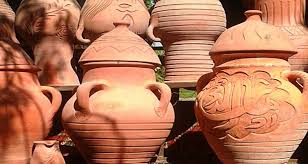
Pottery making is considered one of the distinguished traditional crafts with great heritage value. Artisans became well known for it because it requires skill and precision in shaping. Through this craft, a variety of pottery items are made that combine practical use with artistic beauty. Some regions became known for special types of pottery that reflect their local character. Simple workshops and small studios dedicated to this craft also became widespread, and it has retained its home-based and family-centered nature across generations.
How Pottery Is Made
- Clay is collected, cleaned of impurities, and then mixed with water until it becomes soft and easy to shape. The pottery is shaped either by hand or by using a pottery wheel to achieve the desired form, such as bowls or jars. The pieces are left to air-dry until they become firm before firing. The pieces are placed in a special kiln at high temperatures to become hard and durable. The pieces may then be decorated with patterns, colors, or a glazed coating that gives them shine and protection.
Most Famous Pottery Products
- Jars for storing water. Pots and plates. Cups. Plant pots. Lamps and home decorations. Statues and artistic ornaments.
The Importance of Pottery Making
- 1It is used for holding and storing food or water. It is considered part of heritage and folk culture. It provides job opportunities for artisans. Some pottery items are also used for decoration and ornamentation.
Features of Using Pottery
It is made from a natural material, which is clay. It is environmentally friendly, and its production does not pollute the environment. It can be shaped into a wide variety of forms and decorations. It is known for its strength and durability after firing. It helps keep water cool in clay vessels.