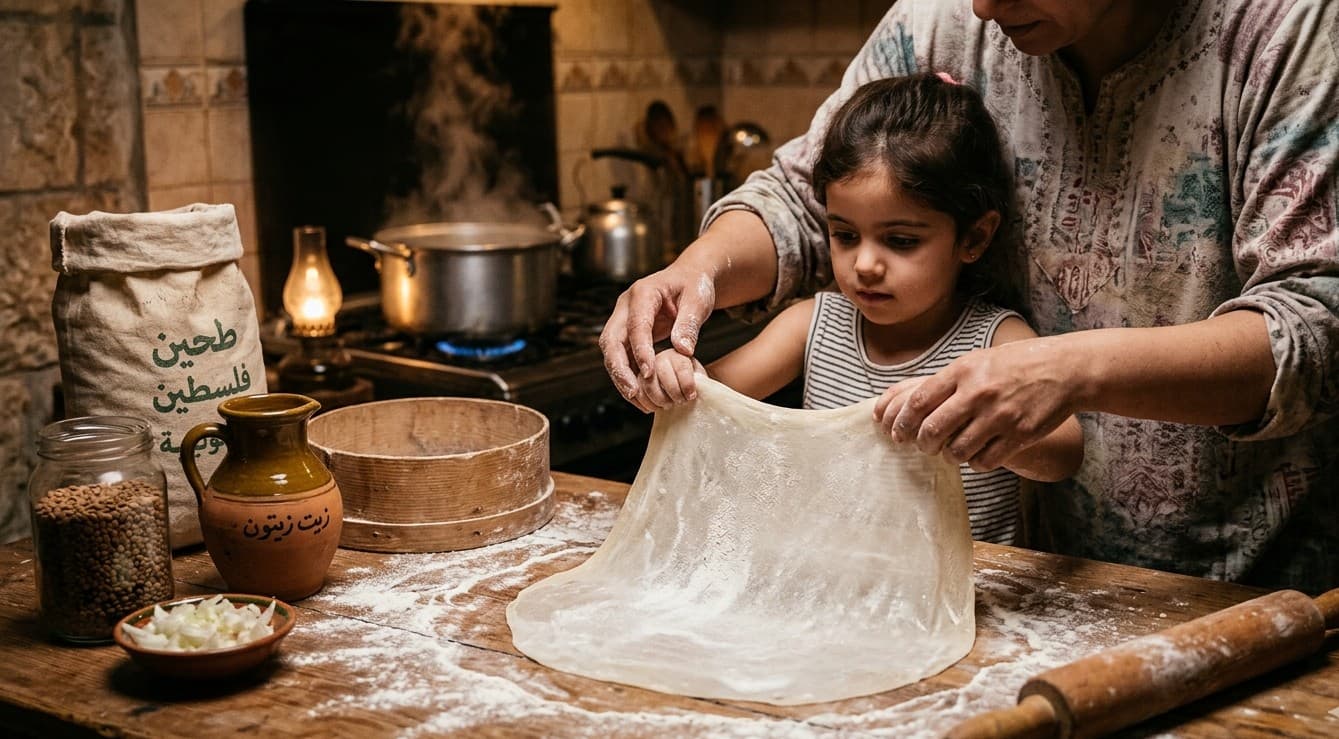
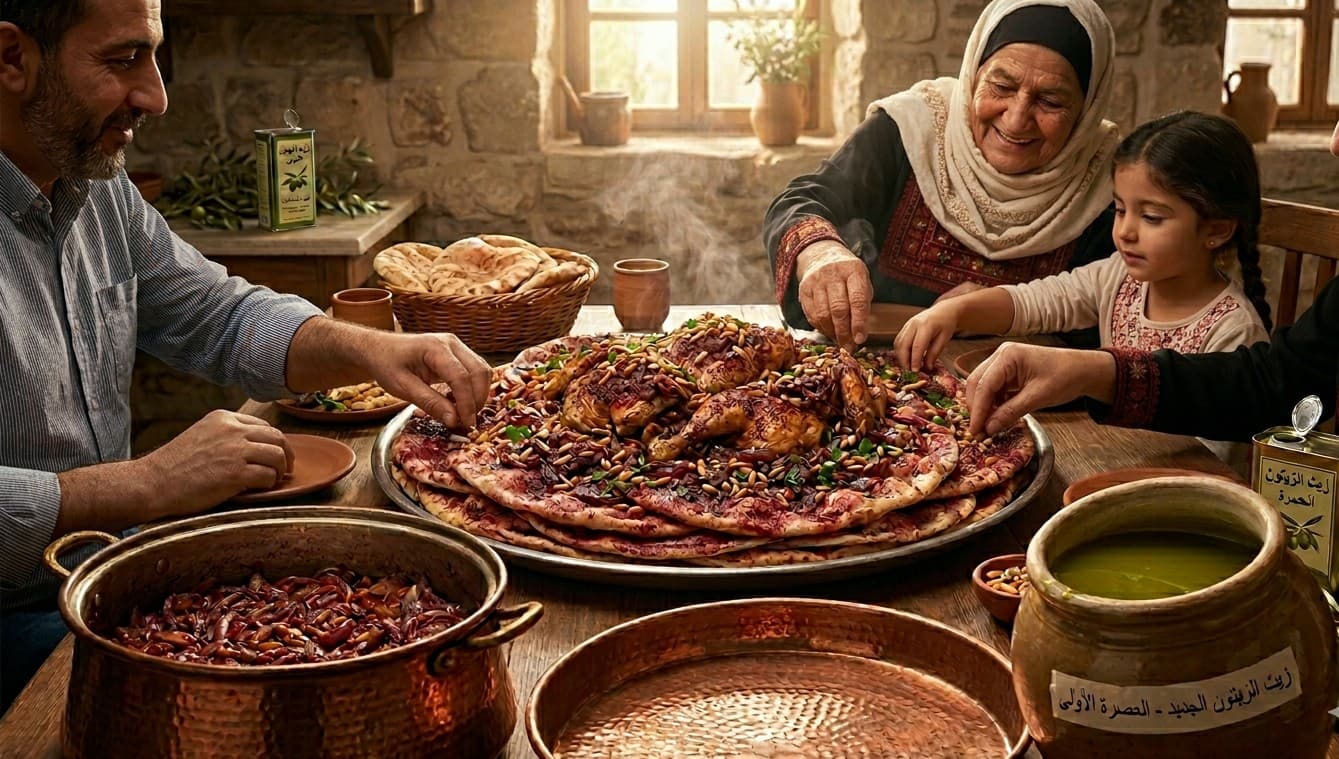
Grandma's Yeast: The Secret to Continuity That Has No 'Backup'
From the hand of the grandmother to the heart of exile; A narrative journey searching for the secret of the 'living yeast' that baked our souls and taught us that blessing is in what remains, not in what is eaten
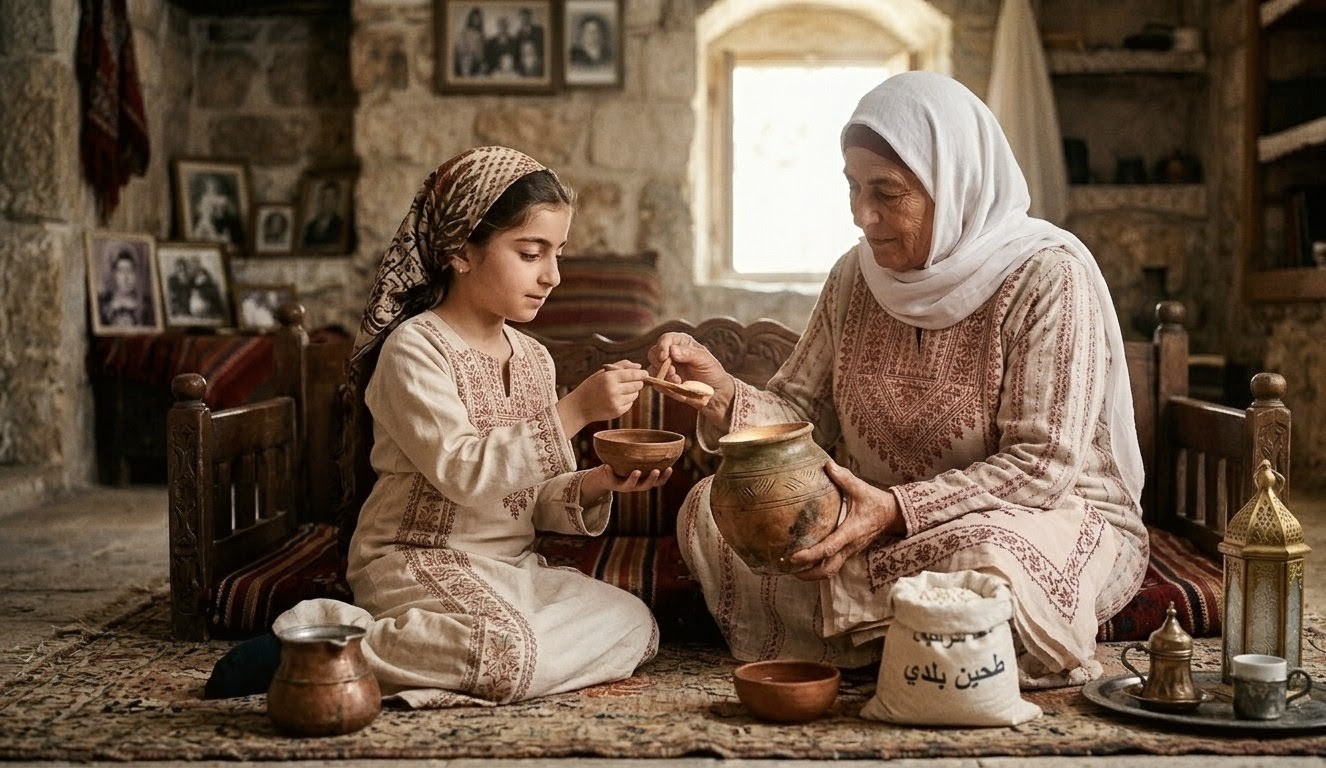
The jar is on the shelf.
Not preserved, not hidden — on the shelf, next to the spices and oil container. Grandma didn't put it there because it was precious. I put it there because she needs it every other day.
Yeast is alive.
This sentence is not a metaphor. Yeast contains living organisms that eat, breathe and grow — and if you forget them for three days without feeding them flour and water, they die. And when she dies, there's no way you can bring her back. There is no backup. There is no "restore from the cloud."
Grandma took her yeast from her mother-in-law on her wedding day. The mother-in-law took it from her mother-in-law. And the series goes backwards — ten years, twenty, fifty — to the point that no one in the family knows exactly when it started.
"Old" — that's all they say
In "Old", this has a complete meaning: This yeast baked wedding bread, funeral bread, first day school bread, and regular night bread that no one remembers by name but your body has not forgotten.
The method is simple.
Before kneading, the grandmother takes a cup of dough — before the oven, not after it — and returns it to the jar. Add flour, add water, stir, and cover with a cloth.That's all.But in this simple movement — this cup that returns to the jar — there is a complete philosophy of continuity: the original is what is completed, the original remains. The loaf is eaten and finished, but the piece left in the jar is what makes tomorrow's loaf possible.
When some families had to leave, some people took the key. Some people took the jar. Not because the jar is more expensive. Because she —literally— was alive. The living has a right to be carried.
The generation abroad now — in Berlin, in Chicago, in the Gulf — bought dry yeast from the supermarket. Yellow bag. Melt in warm water. Works in ten minutes. Bake bread. But it has no story. And somewhere — in Nablus, in Yatta, in a camp in Amman — in a jar on a shelf, next to spices and a can of oil. And in one hand you feed her every two days. Because the original needs someone to remember it.