The Most Prominent Historical Landmarks in Palestine
Historical and archaeological landmarks that reflect the depth of civilization and cultural heritage in Palestinian cities.
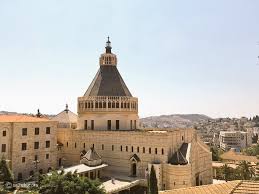
Overview
Palestine is rich in archaeological and historical landmarks dating back to distant periods of time, showing remarkable diversity in architectural style and cultural value across different cities and regions. These landmarks have long been associated with places that became known for them over time, making them part of the historical and visual character of each area. These sites remain among the most important elements that reflect the richness of the place and the depth of its cultural presence.
In Jerusalem
Al-Aqsa Mosque: One of the most prominent historical and religious landmarks in the Old City, and it includes notable sites such as the Dome of the Rock and the Qibli Prayer Hall. Dome of the Rock: Built in the late 7th century CE during the Umayyad era, and considered one of the oldest and most famous surviving Islamic landmarks. Church of the Holy Sepulchre: One of the most important historic churches in Jerusalem, and according to Christian tradition, it was built over the site associated with the crucifixion and burial of Jesus Christ. Al-Buraq Wall: A well-known historical landmark in the Old City, holding religious significance for Muslims, and also known to Jews as the Western Wall. In Jericho Tell es-Sultan: One of the oldest known archaeological sites in the world, dating back more than ten thousand years. Mount of Temptation: A Christian religious site associated, according to Christian tradition, with the place where Jesus Christ fasted for forty days. Hisham’s Palace: A prominent Islamic archaeological site located north of Jericho, also known as Khirbat al-Mafjar, dating back to the Umayyad period in the 8th century CE.
In Bethlehem
- Church of the Nativity: One of the most prominent historical and religious landmarks in Bethlehem, associated in Christian tradition with the birthplace of Jesus Christ. Pilgrimage Route: A well-known historic route leading to the Church of the Nativity, and considered part of the historic landscape of the old city of Bethlehem. Milk Grotto: A well-known religious site in Bethlehem, associated in Christian tradition with the story of Mary and the infant Jesus. Solomon’s Pools: A famous historical landmark near Bethlehem, known in the past as an important source for collecting and storing water.
In Hebron
- Ibrahimi Mosque: One of the most prominent historical and religious landmarks in old Hebron, and one of the city’s most famous architectural sites. Hebron Old City: Known for its historic urban character and old markets, and considered one of the city’s most notable sites. Sultan’s Pool: A well-known historical landmark in Hebron, historically associated with collecting and supplying water for the city. Traditional Glassmaking: One of the most prominent crafts for which Hebron is famous, and it still represents an important aspect of the city’s heritage and artisanal identity.