Mawsim Nabi Musa: Palestine’s Desert Pilgrimage of Faith and Belonging
Part pilgrimage, part social gathering, and part living heritage, this ancient Palestinian celebration turns the wilderness into a space of prayer, hospitality, and reunion.
Nabi Musa Season
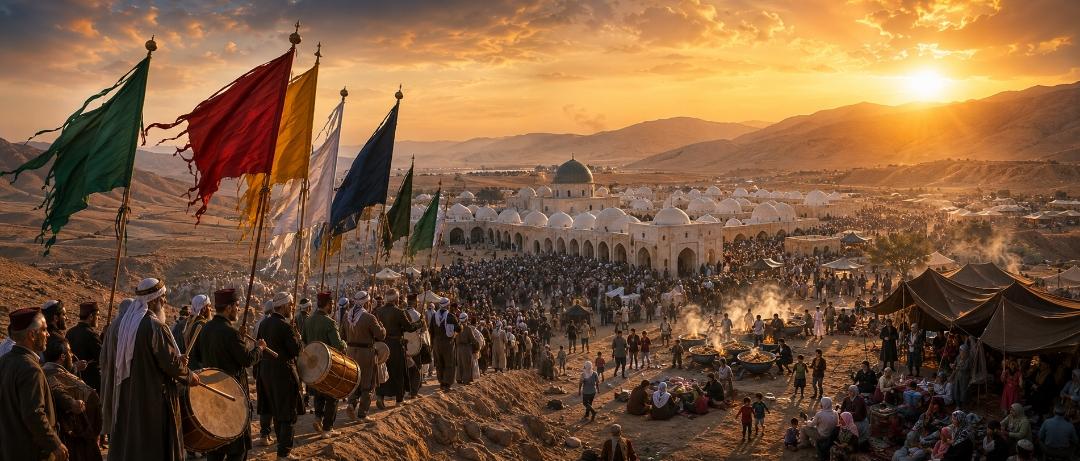
A Journey of Spirit and Community If you have never heard of Nabi Musa Season before, imagine a rare blend of sacred pilgrimage, folk celebration, and family gathering unfolding in the heart of the desert. It is one of Palestine’s oldest living traditions, with roots stretching back nearly eight hundred years.
The Shrine of Nabi Musa
The Nabi Musa complex is a vast historic sanctuary located in the desert landscape between Jerusalem and Jericho. Known for its striking architecture, the site includes more than ninety white domes, a large prayer hall, and wide open courtyards. For generations, people have believed that this sacred place contains the shrine of the Prophet Moses, giving it profound spiritual importance and a unique place in the collective memory of the region.
When the Season Takes Place
Unlike Islamic holidays that follow the lunar calendar, Nabi Musa Season traditionally follows the rhythm of spring. The celebrations usually begin in April, specifically on the Friday preceding the Christian Easter season, and continue for an entire week.
How the Journey Begins
The story begins with a majestic procession known as the “Nazleh” — the descent toward the desert sanctuary. Delegations from cities across Palestine, including Jerusalem, Hebron, and Nablus, gather together carrying colorful banners that represent their communities. Accompanied by drums, chants, and devotional songs, the processions move across the landscape toward the shrine, transforming the road itself into a celebration of faith and belonging.
Life at the Sanctuary
Once the pilgrims arrive, the quiet desert transforms into a vibrant human gathering filled with prayer, hospitality, and shared stories. • Worship and remembrance Circles of prayer, Qur’anic recitation, and devotional chanting fill the mosque and its courtyards, creating an atmosphere of spiritual reflection. • Hospitality and shared meals Large quantities of food are prepared and distributed freely to everyone, regardless of wealth or social background. This tradition of feeding others reflects the deep-rooted values of generosity and communal care that have long defined the season. • Family gathering and celebration Families set up tents around the shrine, and the once-silent desert becomes a temporary town alive with conversation, storytelling, children’s games, and evening gatherings beneath the open sky.
Why It Is Considered a Human Heritage Tradition
Nabi Musa Season is far more than a religious ritual. Historically, it served as a social lifeline where people met, strengthened family ties, resolved disputes, and formed new relationships across cities and villages. At its heart, the season reflects a philosophy deeply rooted in Palestinian culture: that faith is expressed through human connection, generosity, dignity, and collective joy.
Conclusion
For centuries, Nabi Musa Season has carried the spirit of Palestine across the desert roads — a journey where worship meets memory, and where community becomes a sacred act in itself.