Islam in Palestine
Where Faith Breathes Through Stone, Memory, and Daily Life
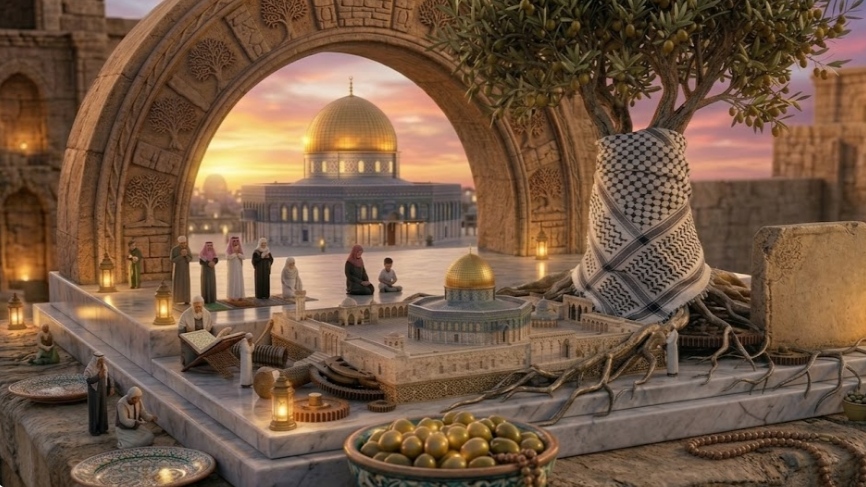
Beneath the Minarets of Palestine
A Story of Spirituality, Belonging, and Human Warmth Between the ancient alleyways scented with thyme and jasmine, and the minarets whispering dawn prayers into the clouds, Islam in Palestine flows through the pulse of the land and the stories of its people. It is a faith woven into the smallest details of everyday life, transforming worship into a profound expression of love for homeland, spiritual dignity, and human solidarity.
A Faith Deeply Rooted in the Land
In Palestine, Islam is not experienced merely through sacred texts, but through living moments shared across generations. It appears in the warmth of families gathered together on prayer rugs and in the quiet prayers whispered by grandmothers beneath olive trees. Worship becomes inseparable from memory, belonging, and emotional attachment to the land itself. Praying at Al Aqsa Mosque or within the ancient mosques of Gaza offers more than spiritual comfort. These places create a powerful sense of tranquility and deepen the believer’s connection to a land regarded as blessed and sacred through centuries of history.
Traditions Filled with Warmth and Life
Religious traditions in Palestine are marked by closeness, generosity, and shared joy. During Ramadan, the call to prayer mingles with children’s laughter as neighbors exchange homemade dishes and lanterns illuminate the streets with warmth and familiarity. The exhaustion of fasting fades beneath the spirit of togetherness, while tarawih prayers gather entire communities in an atmosphere that feels like one extended family. During Eid celebrations, Palestine dresses itself in joy. The scent of traditional Eid pastries drifts from homes, old disagreements are set aside, and hearts reopen through forgiveness, affection, and celebration. The holiday becomes not only a religious occasion, but a renewal of human connection.
Sacred Places and the Human Spirit
Al Aqsa Mosque and the Dome of the Rock are not viewed simply as historic landmarks. For many Palestinians, they are sanctuaries of peace and spiritual refuge, places where visitors feel surrounded by the memory of prophets and the echoes of centuries of devotion. From Hebron to Gaza, historic mosques and towering minarets preserve the stories of generations who protected the sanctity of these places and transformed them into centers of faith, learning, and architectural beauty.
Solidarity as a Living Value
One of the most visible expressions of Islam in Palestinian society is the culture of generosity and mutual care. This spirit appears clearly in the traditional takiyas, charitable kitchens that offer food and hospitality with dignity and compassion. The Takiya of Ibrahim Al Khalil, for example, welcomes visitors and those in need alike as honored guests, without asking who they are or where they come from. Feeding others and supporting those facing hardship are considered daily acts of worship. Through these traditions of kindness and shared responsibility, Palestinian society reflects the image of one interconnected community held together by mercy, generosity, and humanity.